Roman-Style Fettuccine Alfredo
Fresh fettuccine emulsified with butter, finely grated Parmigiano-Reggiano, and starchy pasta water—without cream or flour.

Before you begin
This is a pasta-water emulsion, not a cream sauce. Butter coats the hot noodles first; finely grated cheese and starchy water are then worked in gradually until they become a glossy film around each ribbon.
Move the pan away from direct heat before adding the cheese. Excess heat makes the proteins tighten into strings and lumps, while steady tossing provides all the energy the emulsion needs.
Why the method works
Starchy water is an ingredient
Water from a relatively small pasta pot carries enough starch to bridge melted butter and cheese into a stable sauce.
Fine cheese melts evenly
A cloud of freshly grated Parmigiano disperses before any one piece overheats. Coarse shreds are more likely to collect on the pan.
Residual heat is sufficient
Freshly drained pasta and a warm bowl supply gentle heat. Tossing off the burner melts the cheese without driving out its fat.
Ingredient notes and useful substitutions
Fresh or Quality Dried Fettuccine
Fresh egg fettuccine yields the most authentic, luxurious silkiness.
Regional naming: Egg fettuccine pasta.
Substitutions: Dried bronze-die tagliatelle or fettuccine.
Parmigiano-Reggiano (24 Month)
Use real imported Italian Parmigiano-Reggiano grated on a fine microplane rasper.
Regional naming: Aged Italian parmesan.
Substitutions: Aged Grana Padano.
European-Style Butter (82%+ Butterfat)
Higher fat and lower water content creates a creamy emulsion with rich nutty flavor.
Regional naming: Cultured European butter.
Substitutions: Standard unsalted butter.
Roman-Style Fettuccine Alfredo
Ingredients
- 1 pound fresh egg fettuccine (or 12 ounces dried bronze-cut fettuccine)
- 1 stick (8 tablespoons / 4 ounces) European-style unsalted butter, softened and cubed
- 2 cups freshly grated Parmigiano-Reggiano cheese (grated on a microplane), at room temperature
- 1 cup reserved starchy pasta cooking water
- 1 teaspoon kosher salt (for pasta water)
- Freshly cracked black pepper, to taste
Instructions
-
Boil Pasta in Moderate Water
Bring a large pot of water to a boil, using about 3 quarts rather than 6 quarts so the pasta cooking water becomes concentrated with starch. Add 1 teaspoon salt. Boil fresh fettuccine for 2 to 3 minutes (or dried fettuccine for 9 to 10 minutes) until perfectly al dente. Reserve 1 cup of starchy pasta water before draining.
Visual Cue Pasta water is cloudy and opaque with starch. -
Melt Butter in Warm Pan
While pasta boils, place the cubed softened butter and 1/3 cup of the hot pasta water into a wide skillet over very low heat, swirling until butter melts into a cloudy liquid. Remove skillet completely from heat.
Texture Cue Pale, liquid butter and water emulsion. -
Add Hot Pasta to Butter
Transfer the steaming al dente fettuccine directly into the skillet with the melted butter. Toss vigorously with tongs for 30 seconds so noodles are coated.
Visual Cue Hot noodles glistening with melted butter. -
Emulsify Cheese in Batches
Sprinkle one-third of the grated Parmigiano-Reggiano over the noodles. Toss and swirl vigorously, adding a splash of hot pasta water as needed. Repeat with the second third and remaining cheese, tossing continuously.
Texture Cue Cheese melts instantly, transforming with pasta water into a creamy, glossy sauce. -
Adjust Consistency & Serve
Continue tossing until the sauce coats every single noodle like velvet. Add another splash of pasta water if sauce feels tight. Serve immediately in warm bowls with freshly cracked black pepper.
Visual Cue Glossy, creamy ribbons of fettuccine with no oil separation.
Estimated nutrition (per serving)
A planning estimate, not a medical or laboratory value. Brands, portions, and substitutions change the result.
Common problems and recovery
Variations that preserve the method
Alfredo with Grilled Chicken
Top warm pasta with sliced crispy parmesan chicken cutlets or pan-seared chicken breast.
Black Pepper Alfredo (Cacio e Pepe Hybrid)
Toast 1 teaspoon of freshly cracked black pepper in the butter before adding pasta water.
Serving Suggestions
- Serve immediately on pre-warmed plates (cold ceramic chills the cheese sauce).
- Pair with a crisp Italian Pinot Grigio or chilled sparkling Prosecco.
Storage, reheating, and freezing
Refrigeration: Best consumed immediately. Leftovers can be refrigerated for up to 2 days.
Freezing: Freezing is not recommended.
Reheating: Reheat in a skillet over low heat with 2 tablespoons of warm water or milk, tossing constantly.
Frequently Asked Questions
Cook next
Recipes connected by method, ingredient, or the kind of meal they complete.

Roman-Style Spaghetti Carbonara
Spaghetti coated off the heat with guanciale, egg yolks, Pecorino Romano, and black pepper—without cream or a separate sauce.

Classic Shrimp Scampi with Linguine
Jumbo shrimp sautéed in fragrant garlic, butter, dry white wine, lemon juice, and red pepper flakes, tossed with al dente linguine and fresh parsley.
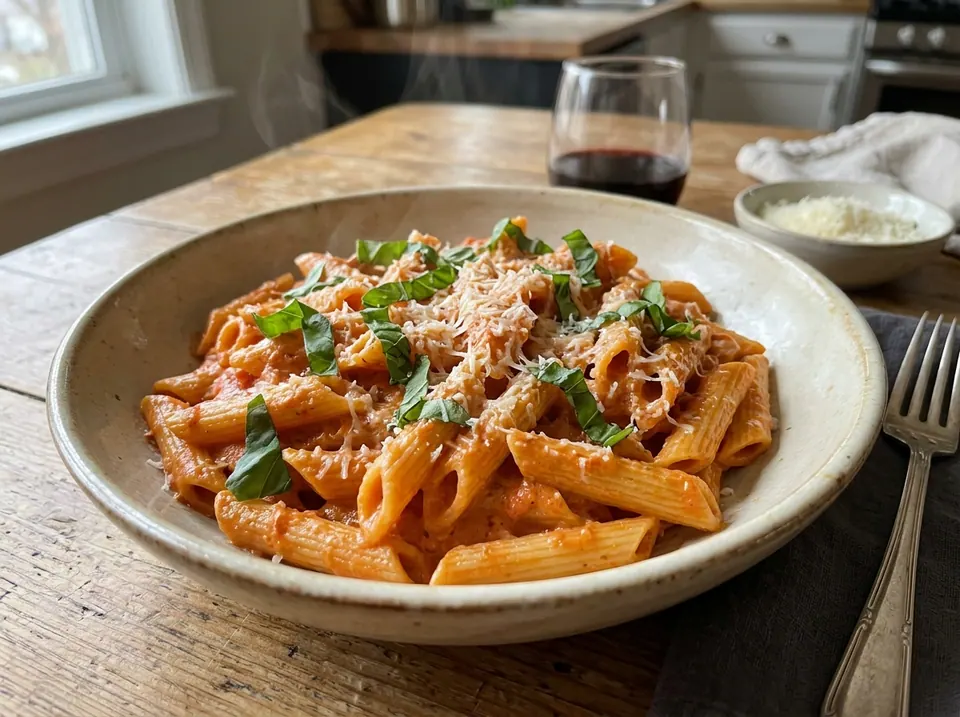
Penne in Tomato-Vodka Cream Sauce
Ridged penne in a brick-red tomato paste sauce loosened with vodka, cream, parmesan, basil, and starchy pasta water.